

Healthcare facilities continue to face intense pressure to maintain safe, hygienic environments for patients, staff, and visitors. Infection risks have grown more complex as patient volumes increase, cleaning teams experience staffing shortages, and pathogens evolve. Even with strict cleaning schedules, traditional methods struggle to keep up with the constant flow of people, equipment, and airborne particles moving throughout a facility.
Manual cleaning remains essential, but it is also limited. Surfaces are missed, high-touch points are contaminated frequently, and many pathogens survive on surfaces for extended periods. Chemical disinfectants require contact time, can cause irritation, and may conflict with sensitive medical equipment. Airborne transmission adds another layer of difficulty since surface cleaning alone cannot address the spread of microbes in enclosed spaces.
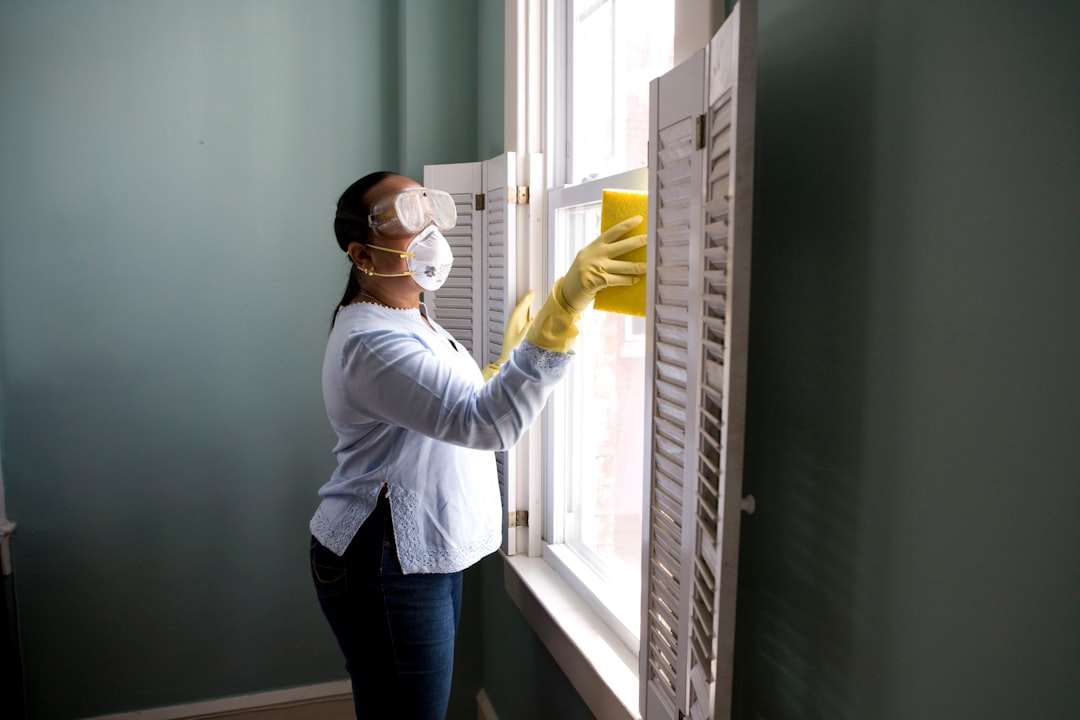
These realities have made it clear that healthcare facilities need stronger and more reliable sanitation tools. UVC sanitation has become an important solution for hospitals and clinics that want to reduce infection risks and improve patient safety without placing further strain on staff.
UVC sanitation provides rapid, chemical-free pathogen deactivation using germicidal ultraviolet light. Today’s advanced systems go further by combining mobility, automation, and continuous protection technologies. This gives healthcare teams consistent sanitation coverage across rooms, equipment, and shared spaces.
This article explains why UVC sanitation has become essential for modern healthcare facilities, how automated UVC systems strengthen infection control, and how MUVi technologies support safer environments through reliable disinfection.
Why Infection Control Demands Stronger Sanitation Methods
Healthcare-associated infections (HAIs) remain a major challenge. Despite rigorous cleaning protocols and staff effort, HAIs continue to impact patient safety and increase the burden on healthcare systems. Several key issues contribute to the ongoing problem.
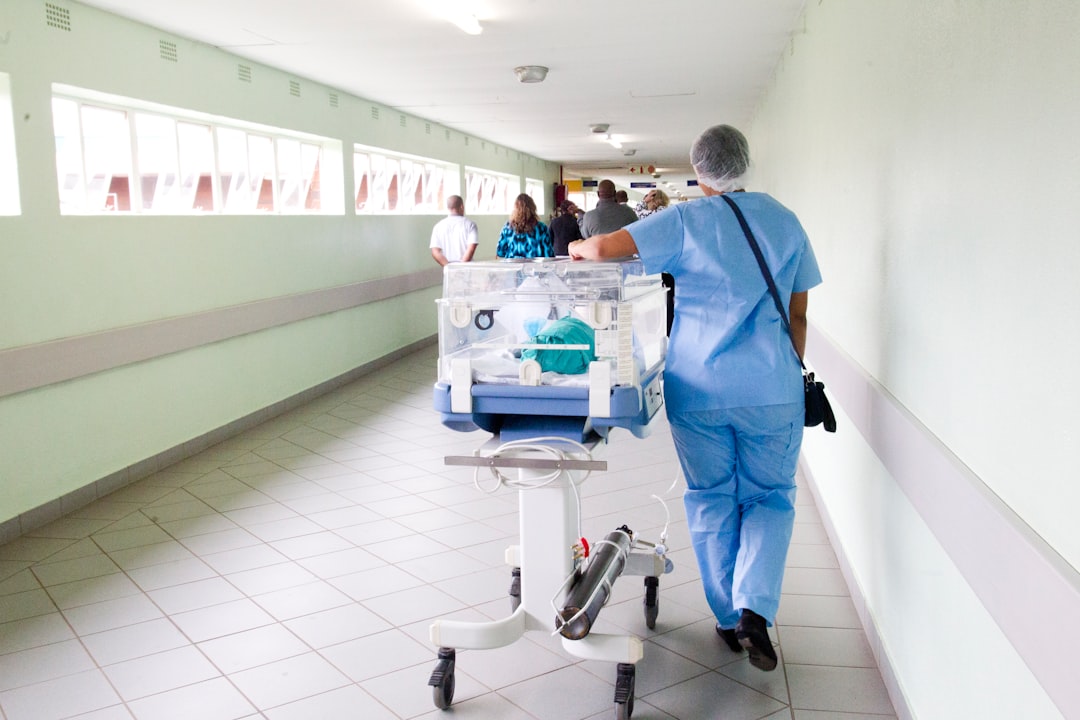
First, healthcare facilities deal with high rates of physical contact. Door handles, bed rails, monitors, trolleys, and workstations are touched repeatedly throughout the day. Even well-trained staff cannot manually disinfect every high-touch item at the pace contamination occurs.
Second, pathogens survive on surfaces far longer than most people expect. Many viruses and bacteria remain viable for hours or days, making consistent disinfection essential. A single missed surface can become a point of transmission.
Third, airborne microbes can travel through hallways, waiting areas, and shared rooms. Surface cleaning alone does not manage airborne risks effectively.
Finally, cleaning teams are under significant pressure. High patient turnover, frequent admissions, and emergency demands reduce the time available for detailed cleaning. Labour shortages worsen the situation.
Together, these challenges show that healthcare facilities need a sanitation solution that is fast, consistent, and capable of reaching surfaces that manual cleaning might overlook. This is where UVC sanitation systems provide significant value.
The Role of UVC Light in Healthcare Sanitation
UVC light at 254nm is well known for its germicidal properties. When microorganisms are exposed to UVC light, their DNA and RNA are disrupted, preventing replication and resulting in effective deactivation.
Hospitals have increasingly turned to UVC sanitation because it provides:
- Rapid disinfection cycles
- 99.99 percent pathogen reduction
- No chemicals or residues
- Consistent performance regardless of staff availability
- Contactless operation that does not disturb workflows
UVC sanitation systems have been used in operating theatres, isolation rooms, intensive care units, reception areas, and procedure rooms. They support infection control by targeting both surfaces and air, reducing the likelihood of pathogen transmission.
While traditional UVC lamps are stationary and limited in coverage, modern systems use mobility and automation to deliver full-room sanitation with repeatable results. This development has made UVC sanitation far more practical for busy healthcare environments.
MUVi UVC Sanitation Technologies for Healthcare Facilities
MUVi provides advanced UVC sanitation solutions designed to meet the needs of hospitals, clinics, laboratories, and other healthcare environments. Two key technologies offer complementary approaches to infection control.
RUVi: UVC Disinfection Robot
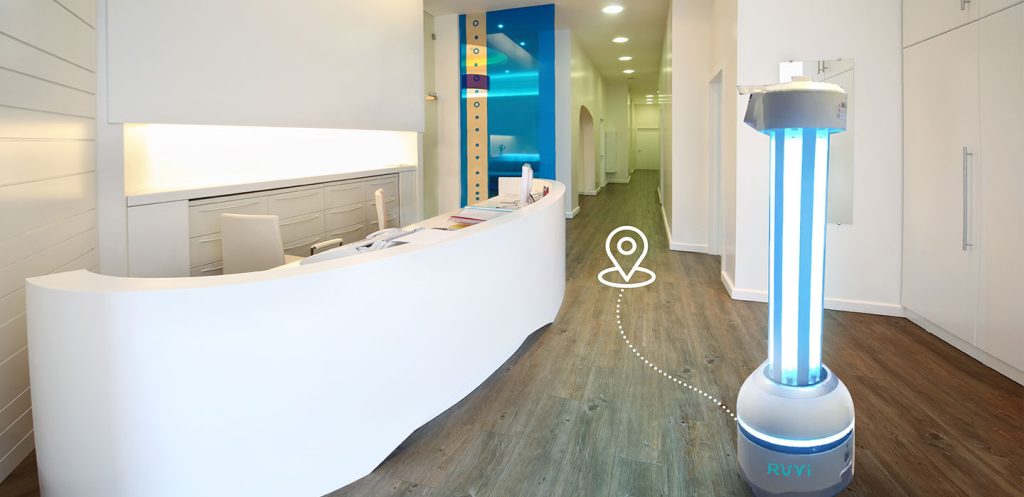
RUVi is an advanced UVC disinfection robot built for healthcare facilities. It applies 254nm germicidal UVC light to deliver rapid pathogen elimination with autonomous coverage.
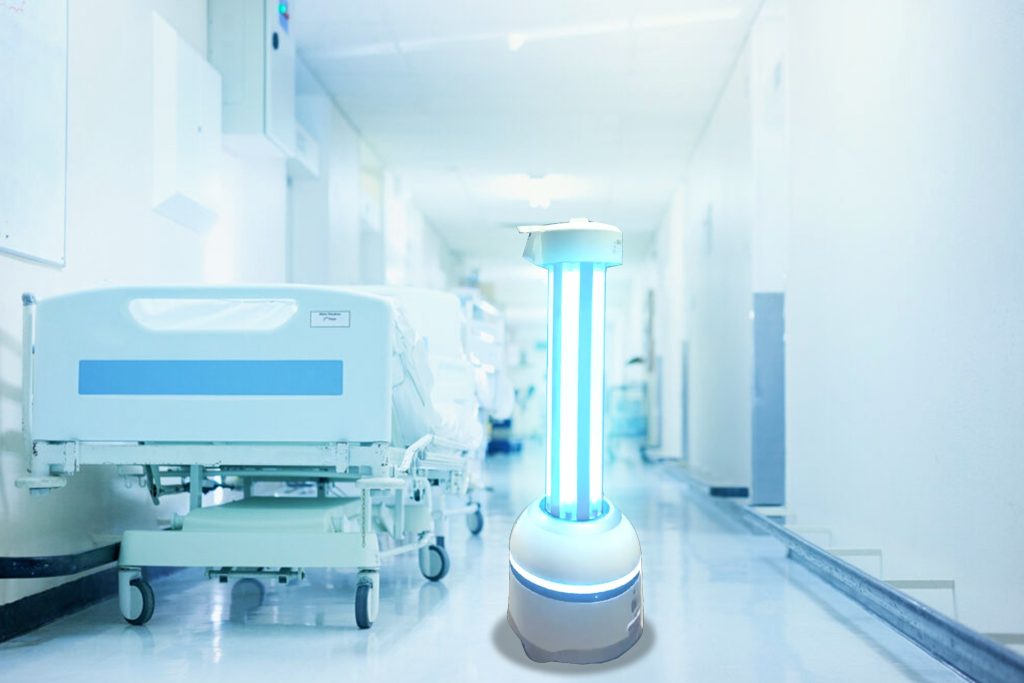
Key capabilities include:
- SLAM navigation that maps rooms and moves independently
- Motion-detection safety stop to prevent accidental exposure
- Three-hour battery capacity, allowing multiple room cycles
- Automatic sanitation reporting through PDF and cloud logging
- 99.99 percent pathogen reduction through hospital-grade UVC light
RUVi supports infection control teams by handling repetitive disinfection tasks without requiring manual movement. It is especially valuable for high-turnover areas where rapid sanitation is essential.
ViRaTon: Continuous Photon Electron Technology
ViRaTon provides a different form of protection using Photon Electron Technology. Unlike UVC light, it is safe for occupied rooms, making it suitable for continuous operation in patient care areas, staff offices, reception rooms, and treatment spaces.
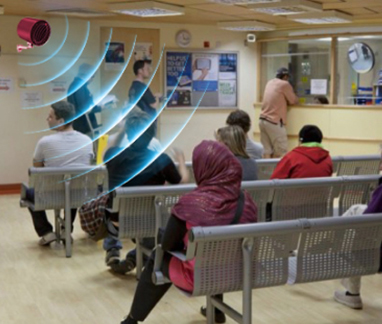
Key features include:
- Safe in-room operation alongside patients and staff
- 24/7 surface and air protection
- Effective coronavirus spike-protein deactivation
- Certified medical device
- No chemicals or ozone
ViRaTon complements UVC robots by filling the gap between manual cleaning cycles. Continuous protection limits the regrowth or reintroduction of pathogens throughout the day.
Together, RUVi and ViRaTon create a complete approach to healthcare disinfection, combining high-intensity UVC sanitation with constant air and surface protection.
How UVC Sanitation Strengthens Infection Control
UVC sanitation enhances healthcare infection control in several important ways.
It reduces the microbial load on high-touch surfaces more reliably than manual cleaning alone. Robots and automated systems provide uniform coverage, reducing the risk of human error or missed areas.
It supports faster room turnover. After patient discharge or procedure completion, a UVC disinfection robot can complete a cycle quickly, allowing staff to prepare the space without long waiting periods.
It reduces reliance on chemical disinfectants. This benefits staff who may experience irritation from strong chemicals and prevents damage to surfaces and equipment.
It reinforces patient confidence. Visible sanitation technology helps reassure patients and visitors that the facility prioritises hygiene and safety.
It improves staff safety by reducing exposure to contaminated surfaces, especially in high-risk areas such as emergency departments, ICUs, and isolation units.
UVC sanitation is not a replacement for manual cleaning but a strong enhancement that raises the overall standard of infection control.
Use Cases Across Healthcare Facilities
UVC sanitation systems are versatile and suitable for many healthcare environments:
- Operating theatres
- Emergency departments
- Outpatient clinics
- Dentist and GP clinics
- Patient rooms
- Imaging and diagnostic rooms
- Laboratories
- Public waiting areas
- Staff offices and lounges
- Aged care and assisted living facilities
RUVi provides rapid disinfection between patient sessions, while ViRaTon protects continuously occupied spaces.
Comparison of Sanitation Methods
| Sanitation Method | Effectiveness | Safety | Labour Requirement | Best Use Case |
|---|---|---|---|---|
| Manual cleaning | Varies by staff | Safe when used correctly | High | General daily cleaning |
| Chemical disinfectants | High when applied correctly | Residue and fumes possible | Moderate | Deep cleaning and targeted disinfection |
| Traditional UV lamps | Moderate coverage | Requires unoccupied rooms | Moderate | Small rooms and single-surface treatment |
| UVC disinfection robots | 99.99 percent pathogen reduction | Sensor-controlled safety | Low | Whole-room and repeated disinfection |
| Photon Electron Technology | Continuous deactivation | Safe for occupied rooms | Very low | Waiting areas, wards, offices, shared rooms |
This comparison highlights the advantages of automated and continuous sanitation technologies for modern healthcare environments.
Strengthening Patient Safety with Modern Disinfection
Healthcare facilities must adapt to increasing infection risks and changing patient expectations. UVC sanitation provides a strong foundation for safer clinical environments. Automated systems reduce the burden on staff, support consistent coverage, and minimise the chance of cross-contamination.
MUVi technologies, including the RUVi UVC Disinfection Robot and ViRaTon Photon Electron Technology, give healthcare teams reliable tools for both rapid and continuous sanitation. When combined with routine manual cleaning, these systems form a comprehensive infection control strategy that strengthens patient safety and operational efficiency.
Healthcare facilities that adopt these technologies gain more than improved sanitation. They also build resilience, demonstrating a clear commitment to safety, reliability, and patient wellbeing.
Frequently Asked Questions
How does UVC sanitation differ from manual cleaning?
UVC sanitation uses germicidal light to deactivate pathogens. Manual cleaning removes visible dirt but can miss microscopic contaminants. Both methods work together to improve hygiene.
Is UVC light safe in healthcare environments?
UVC light is safe when operated with proper controls. MUVi robots have sensors that stop operation when movement is detected to prevent exposure.
Can ViRaTon operate while people are in the room?
Yes. ViRaTon uses Photon Electron Technology, which is safe for occupied environments and provides continuous protection.
Do UVC robots replace cleaning staff?
No. They support cleaning teams by handling repetitive disinfection tasks, allowing staff to focus on detailed cleaning and patient care.
Which hospital areas benefit most from UVC sanitation?
Operating theatres, patient rooms, isolation areas, clinics, imaging rooms, laboratories, and waiting rooms all benefit from automated UVC sanitation.